FAQ ↓
1. Is It Cheaper to Build or Buy a Greenhouse?
Building a greenhouse yourself may cost less if you already have the materials, tools, and construction skills. However, buying a greenhouse kit can save time and simplify the process with pre-designed components and assembly instructions. The best choice depends on your budget, available space, and DIY experience. For many home gardeners, a ready-to-assemble greenhouse offers a convenient way to create a dedicated growing space.
2. Do Greenhouses Stay Warm in Winter?
Greenhouses help retain heat by trapping sunlight during the day, creating a warmer environment for plants than the outdoors. However, temperatures can still drop significantly at night or during freezing weather. Factors such as greenhouse materials, insulation, ventilation, and supplemental heating all affect winter performance. Choosing a suitable greenhouse and monitoring indoor temperatures can help protect plants during colder months.
3. Can You Grow Plants in a Greenhouse All Year Round?
Yes, a greenhouse can extend the growing season and support year-round gardening in many climates. The types of plants you can grow depend on your local weather, indoor temperature, sunlight, and ventilation. Cold-tolerant vegetables may grow with minimal heating, while warm-season crops may require additional temperature control during winter. Choosing the right greenhouse setup helps create more consistent growing conditions throughout the year.
4. Do Greenhouses Stay Cool in Summer?
Greenhouses can become hotter than the outdoor environment during summer because sunlight enters and heat builds up inside. Proper ventilation, open windows, shade cloth, and air circulation can help regulate temperatures and prevent overheating. When choosing a greenhouse, consider its ventilation design and available space for airflow. Monitoring indoor temperatures is especially important during hot weather to keep plants comfortable.
5. What Are the Downsides of Owning a Greenhouse?
While a greenhouse offers greater control over growing conditions, it also requires regular maintenance and temperature management. Common challenges include heat buildup in summer, temperature drops in winter, humidity control, and occasional cleaning or repairs. Some greenhouses may also require a suitable foundation and secure anchoring. Choosing the right size, materials, and ventilation features can help make greenhouse gardening easier to manage.
6. How Long Does a Greenhouse Last?
The lifespan of a greenhouse depends on its frame material, panel or covering quality, construction, local weather, and maintenance. Durable frames and weather-resistant panels can help extend its service life, while proper anchoring and routine inspections help protect the structure. Cleaning panels, checking connections, and replacing worn components when needed can also help keep a greenhouse in good condition over time.
7. Should a Greenhouse Be in Full Sun or Shade?
Most vegetable-growing greenhouses benefit from a location with plenty of direct sunlight, especially during the morning and cooler parts of the day. However, excessive afternoon sun can cause overheating in warmer climates. Choose a relatively level, well-drained location with good light exposure and access to ventilation. In hot regions, shade cloth or strategically placed shading can help maintain more suitable growing conditions.
-
Hortus Twin-Wall Polycarbonate Greenhouse
Regular price From $769.99 USDRegular price$1,999.99 USDSale price From $769.99 USDSale -
Sylvan Polycarbonate Greenhouse
Regular price From $1,319.99 USDRegular price -
Fern Greenhouse with Quick Connector
Regular price From $999.99 USDRegular price$1,299.99 USDSale price From $999.99 USDSale -
Arborea Greenhouse
Regular price From $1,999.99 USDRegular price -
Hulky Greenhouse for Backyard Growing
Regular price From $1,599.99 USDRegular price$2,199.99 USDSale price From $1,599.99 USDSale -
Sunlit Chalet-Style Greenhouse with Aluminum Frame
Regular price From $1,699.99 USDRegular price$2,199.99 USDSale price From $1,699.99 USDSale -
Sylvan Greenhouse with Quick Connector
Regular price From $1,999.99 USDRegular price -
Canopy 34x10 FT Walk-In Greenhouse with Watering System
Regular price From $199.99 USDRegular price -

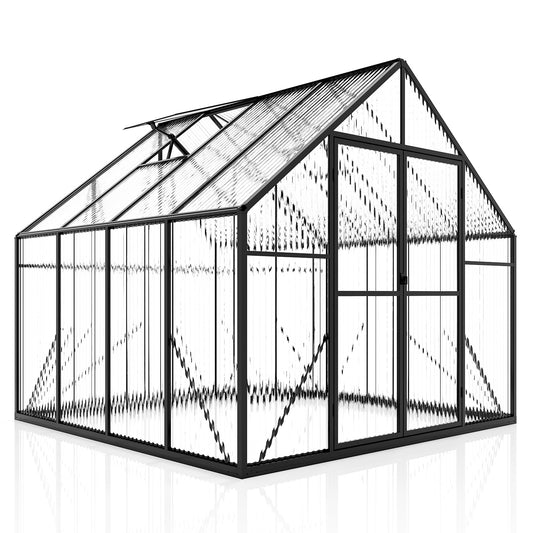 Sold out
Verda Polycarbonate Greenhouse
Regular price From $599.99 USDRegular price -
Canopy Large Walk-In Outdoor Greenhouse with Misting System
Regular price From $208.99 USDRegular price -
Pro Walk-In Greenhouse with Sprinkler System
Regular price From $329.99 USDRegular price